

Research Portal
Navigate heart disease
like an insider.
Coronary artery disease kills one American every 34 seconds — mostly people who had no idea it was coming. This portal maps what you need to know: how to detect disease years before symptoms, how to build an aggressive evidence-based treatment plan, and how to navigate a system that wasn't designed to help you.
Lifetime Access Includes
Everything you need to navigate heart disease.
- Every diagnostic option explained: CAC, CCTA, stress testing, cardiac cath, MRI, PET
- The biomarkers most doctors don't order: ApoB, Lp(a), hsCRP — and what they mean
- Treatment evidence: statins, PCSK9 inhibitors, ezetimibe, icosapent ethyl
- System navigation: insurance appeals, specialist directories, self-pay cost guides
Medical Disclaimer
Always consult a licensed healthcare professional when deciding on medical care. The information presented on this website is for educational purposes only and exclusively intended to help consumers understand the different options offered by healthcare providers to prevent, diagnose, and treat health conditions. It is not a substitute for professional medical advice when making healthcare decisions.
Why this exists
The system is not designed to help you navigate it.
Most disease is silent
45% of sudden cardiac deaths occur in people who were never diagnosed. CAD starts in your 20s and progresses for 40 or more years before a symptom appears. By the time most people are diagnosed, significant damage is already done.
Standard testing misses it
Standard lipid panels measure cholesterol cargo, not particle count — and miss the risk that ApoB captures. Stress tests don't detect soft plaque. Lp(a), a genetic risk factor affecting 1 in 5 people, is almost never ordered. The tests exist. They're just not part of routine care.
The system isn't designed to help you
Insurers have no incentive to prevent a heart attack 20 years from now. Hospitals generate revenue from procedures, not prevention. Physicians follow population-level guidelines that lag the evidence by 17 years. The gap between what medicine knows and what medicine does is widest in prevention.
The Research Portal
A living map of everything that matters in coronary artery disease.
The portal covers every major decision point in CAD care — from detecting subclinical disease through decades of treatment and monitoring. It draws on peer-reviewed research and major clinical trials, not guidelines alone. The goal: give you the understanding to advocate for optimal care, not just guideline-minimum care.
12
Topic hubs
Diagnostics, biomarkers, medications, procedures
216+
Research pages
Plain-English explainers, updated over time
$0
Ongoing cost
One-time purchase, lifetime access
After reading the portal, you will be able to:
- Know which tests can detect disease before symptoms — and which ones can't
- Understand why ApoB and Lp(a) matter more than standard cholesterol panels for many people
- Evaluate your treatment against the evidence — not just against what your doctor defaulted to
- Navigate insurance denials, find specialists, and access tests your doctor may not order
- Know when stenting helps (acute events) and when medical therapy is the evidence-based choice
What's inside
Navigate every stage of care.
The portal is organized around the decisions you actually face — not a textbook outline.

Detect disease before symptoms appear.
CAD starts in your 20s and progresses silently for decades. 42% of asymptomatic adults aged 50–64 have detectable atherosclerosis on CT angiography — almost none would qualify for imaging under current guidelines. Tests like calcium scoring (CAC), CT angiogram (CCTA), ApoB, and Lp(a) can reveal disease while there is still time to act. The portal explains when to request each test, what the results mean, and what to do next.
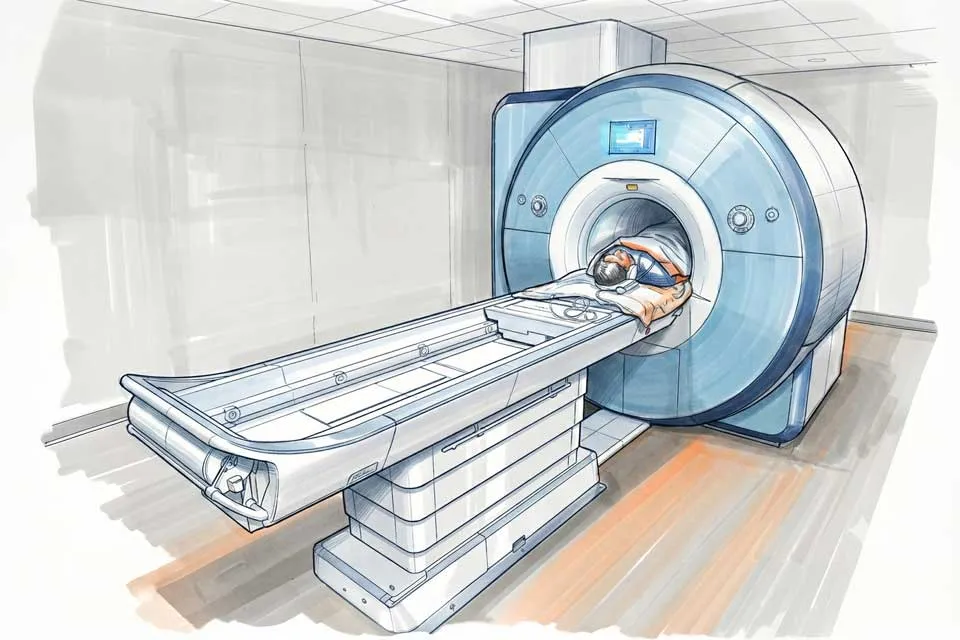
Not every test is right for every situation.
CAC, CCTA, cardiac MRI, PET, and cardiac catheterization each answer different clinical questions. A CAC score of zero is reassuring — but still misses soft plaque in 5–9% of patients. CCTA is 93% accurate but uses contrast. Stress tests are widely ordered but miss substantial disease. Understanding the tradeoffs — accuracy, radiation, cost, invasiveness — lets you push for the right test at the right time.
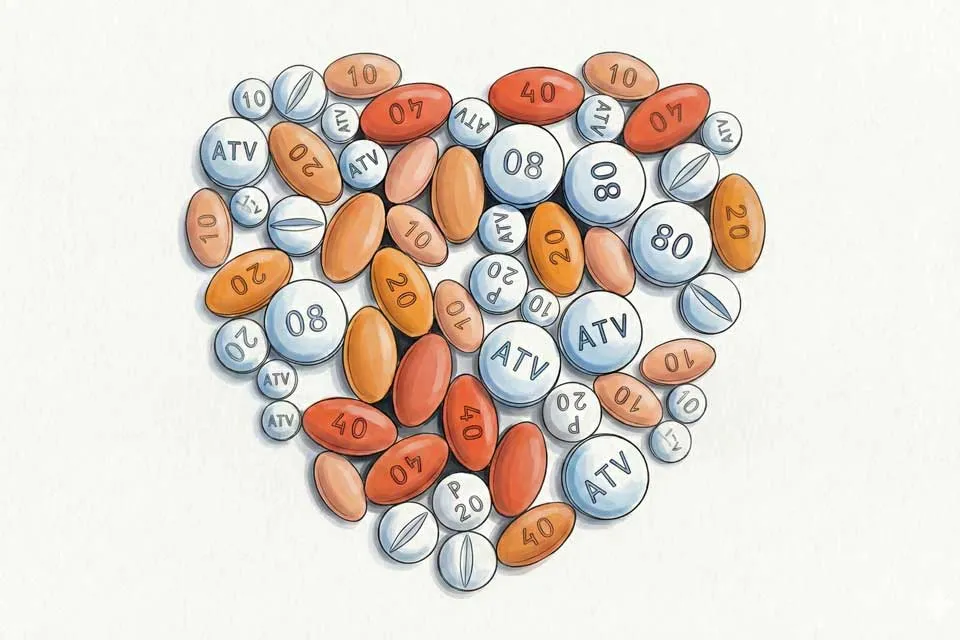
Treatment is a layered decision, not a single prescription.
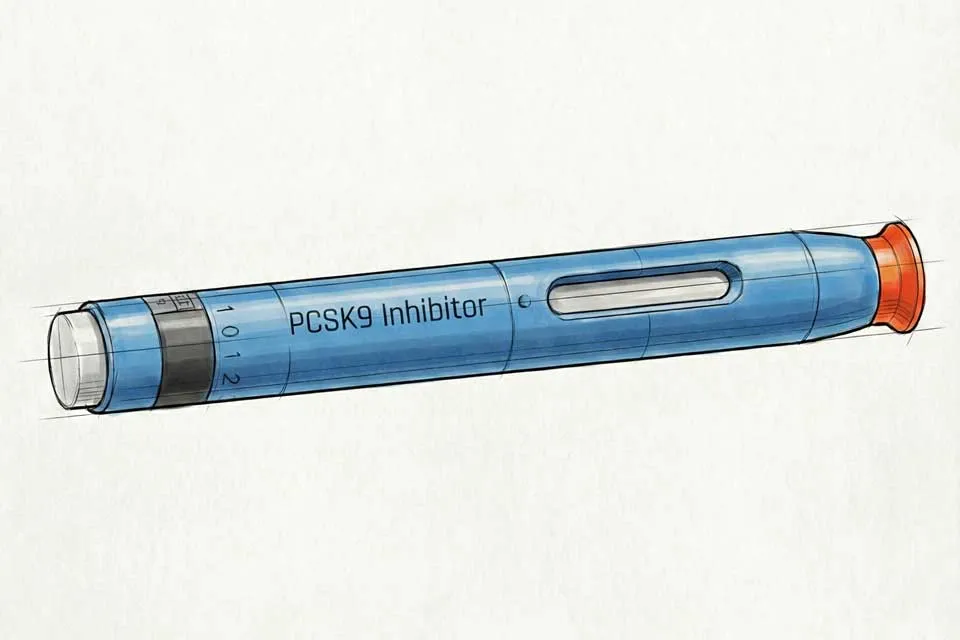
Every 39 mg/dL reduction in LDL reduces major cardiovascular events by 22% — with no threshold where the benefit stops. High-intensity statins are the foundation. Ezetimibe adds 15–25% further reduction. PCSK9 inhibitors can push LDL below 40 mg/dL — the level at which the GLAGOV trial showed plaque regression in two-thirds of patients. Icosapent ethyl (pure EPA) reduced events another 25% in REDUCE-IT. The portal maps what the evidence says for each option and how to build the right stack for your situation.

Monitoring and follow-up are where plans succeed or fail.
Plaque regression is achievable — but requires reaching and sustaining very low LDL levels over years. ASTEROID and SATURN trials showed regression on high-intensity statins. GLAGOV showed regression in 67% of patients on evolocumab plus statin, with LDL at 36.6 mg/dL. The portal covers how to monitor progress through blood markers and imaging, how to tell when treatment is working, and how to push for adjustment when it isn't.
The system has financial incentives that may not align with yours.
CAC scoring runs $75–150 at independent imaging centers. Advanced lipid panels (ApoB, Lp(a), hsCRP) run $75–200 through direct-to-consumer labs. PCSK9 inhibitors cost over $5,000/year at list price — but nearly half of initial insurance denials are overturned on appeal, and manufacturer assistance programs reduce out-of-pocket substantially. The ISCHEMIA trial showed stents don't reduce events in stable disease vs. optimal medical therapy. The portal flags what's worth fighting for — and what isn't.
How it's built
Independent research, structured for decision-making.
Ecosystem maps
Each hub covers the full landscape of a topic — what tests exist, what they measure, how they compare, and what high-risk features to watch for. CAC, CCTA, cardiac MRI, PET, catheterization: you'll understand what each one tells you and what it doesn't.
Decision frameworks
Not just what a drug or test is — but when it's the right choice and when it isn't. High-intensity vs. moderate-intensity statins. PCSK9 inhibitors vs. ezetimibe. Stenting vs. optimal medical therapy. Built around the decisions you will actually face.
Cost and coverage notes
CAC scoring runs $75–150 at independent imaging centers. Advanced lipid panels run $75–200 through direct-to-consumer labs. PCSK9 inhibitor denials are overturned on appeal more often than most patients realize. The portal flags where money gets wasted — and what is genuinely worth fighting for.
Credibility
Independent
No affiliations with providers, hospitals, pharmaceutical companies, or device manufacturers.
Evidence-based
Content is grounded in peer-reviewed research and current clinical guidelines — not opinion or anecdote.
Updated over time
Guidelines change and new treatments emerge. Lifetime access includes updates as the landscape evolves.
What members say
"I went into my cardiology appointment knowing exactly which questions to ask about my CAC score. My cardiologist seemed surprised — in a good way."
— Member, 58
"I had no idea PCSK9 inhibitors existed until I found this portal. My LDL is now lower than it's been in 20 years."
— Member, 64
"The cost and coverage section alone was worth the price. I avoided a test my insurance wouldn't have covered and got a better one instead."
— Member, 51
Research Portal
Lifetime access
$197
- All 12 topic hubs: CAC, CCTA, cath, MRI, PET, IVUS, statins, PCSK9i, EPA, ApoB, Lp(a), nattokinase
- Evidence from major trials: FOURIER, REDUCE-IT, ISCHEMIA, GLAGOV, and others
- System navigation: insurance appeals, specialist directories, self-pay cost guides
- Lifetime access — updated as guidelines and evidence evolve
- Magic link login — no password, no app
Frequently asked questions
What is the Research Portal? ▼
The BlueRipple Health Research Portal is a structured library of independent research covering every major decision point in coronary artery disease — from detecting subclinical disease through decades of treatment and monitoring. It covers the full diagnostic landscape (CAC, CCTA, stress testing, cardiac cath, MRI, PET, IVUS), the major biomarkers (ApoB, Lp(a), hsCRP), every evidence-based treatment option (statins, PCSK9 inhibitors, ezetimibe, icosapent ethyl, bempedoic acid), and system navigation (insurance, specialist referrals, costs, appeals). It draws on peer-reviewed research and major clinical trials — not guidelines alone.
Who is it for? ▼
It is designed for people who have been diagnosed with coronary artery disease — or who suspect they may have subclinical disease — and want to be genuinely prepared for every clinical encounter. It is especially useful if you have a family history of early heart disease, have been told your cholesterol is borderline, or want to know whether you are receiving optimal care or just guideline-minimum care.
Is this medical advice? ▼
No. The portal is educational research, not medical advice. It is designed to help you understand your options so you can have better conversations with your clinician — not to replace those conversations.
How does access work? ▼
After purchase, you receive a magic link via email that logs you into the portal. Access is lifetime — you can return anytime. The portal is updated as new research and guidelines emerge.
What happens after I purchase? ▼
You will receive a login link by email within a few minutes. Click it to access the portal immediately. There is no app to download and no subscription to manage.
Can this help me prepare for a cardiologist visit? ▼
Yes — that is one of its primary uses. The portal covers specific questions to ask at each stage, explains what tests show and do not show, and gives you enough background to understand what your cardiologist is recommending and why. It also covers what optimal care looks like — so you can recognize when you may be getting guideline-minimum care and what to ask for instead.
Is the content updated over time? ▼
Yes. Guidelines change, new drugs are approved, and research evolves. Lifetime access means you get updates without repurchasing.
What if I already work with a cardiologist? ▼
The portal is built to complement care, not replace it. Understanding what your cardiologist is recommending — and why — helps you participate more actively in decisions that affect your health.