
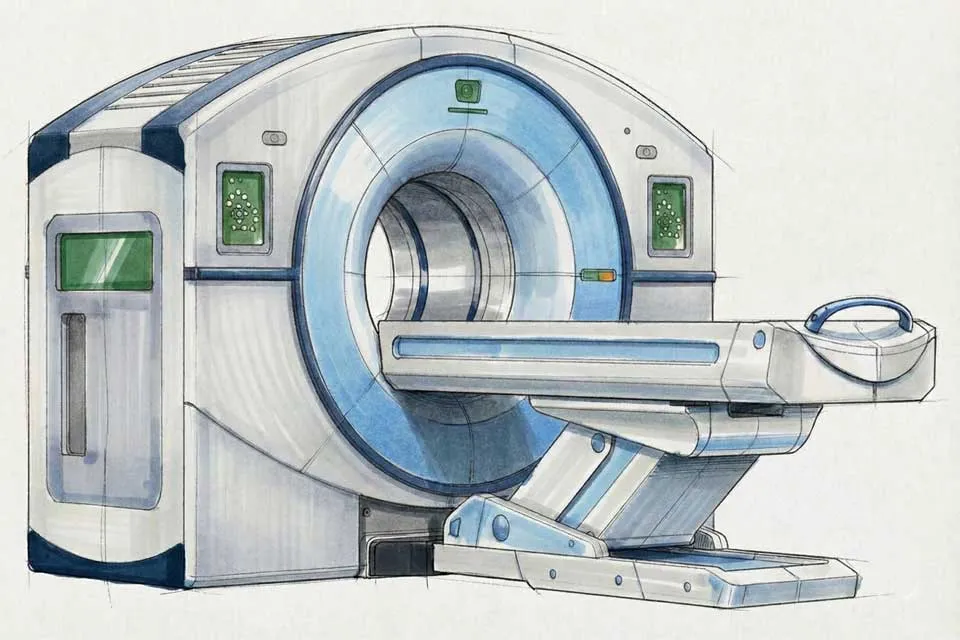
Cardiac PET Scan for Heart Disease
Standard stress tests tell you whether blood flow to your heart looks normal or abnormal compared to other regions. Cardiac PET goes further. It measures exactly how much blood reaches each part of your heart muscle, in absolute terms. This quantitative precision detects problems that other imaging methods miss and provides prognostic information that directly shapes treatment decisions.
Cardiac PET matters because coronary artery disease does not always announce itself clearly. Balanced three-vessel disease can appear normal on conventional stress tests when all territories are equally compromised. Microvascular dysfunction can cause angina and elevate cardiovascular risk even when large coronary arteries appear open. PET’s ability to quantify myocardial blood flow and coronary flow reserve identifies these patterns that relative perfusion imaging cannot see.
Yet despite superior diagnostic accuracy, cardiac PET remains underutilized. Cost, limited availability, insurance barriers, and referral patterns all affect access. Many cardiologists default to SPECT because it is familiar, available, and adequately accurate for most patients. Patients who might benefit from PET’s advantages often do not know to ask for it. The articles below provide everything you need to understand this technology, evaluate whether it might benefit you, and navigate the healthcare system to access it.
Cardiac PET Articles
Understanding Cardiac PET
- What Is a Cardiac PET Scan and How Does It Work? Learn what cardiac PET is, how radioactive tracers create images of heart blood flow, and what myocardial blood flow and coronary flow reserve mean for your heart health.
- Cardiac PET Technology, Equipment, and Technical Precision. Understand scanner types, tracer differences between rubidium-82 and ammonia, measurement reproducibility, and how to evaluate facility quality for cardiac PET imaging.
- Understanding Your Cardiac PET Scan Results. Learn what cardiac PET findings mean, including perfusion defects, flow values, and how demographics affect normal ranges.
Comparison and Clinical Context
- Cardiac PET vs SPECT, CT Angiography, and Other Imaging Options. Compare cardiac PET to SPECT, stress echo, CT angiography, and cardiac MRI. Understand when each test is preferred and what each reveals.
- Limitations, Controversies, and Debates in Cardiac PET. Understand where cardiac PET falls short, including balanced ischemia, false results, reader variability, and ongoing debates about functional versus anatomic imaging.
Clinical Decision-Making
- Guidelines and Indications for Cardiac PET. Learn when cardiac PET is clinically indicated according to professional guidelines, appropriate use criteria, and which patients benefit most.
- How Cardiac PET Results Influence Treatment Decisions. Understand how PET findings affect decisions about catheterization, revascularization, and medical therapy, including ischemia thresholds that guide intervention.
- Monitoring and Follow-Up: Serial Cardiac PET Scanning. Learn when repeat cardiac PET scans are appropriate, how to track disease progression, and what changes in findings mean for treatment.
Economics and Access
- Economics and Cost-Effectiveness of Cardiac PET. Learn why cardiac PET costs more than SPECT, what drives pricing variation, cost-effectiveness evidence, and economic factors that shape recommendations.
- Insurance Coverage and Payer Policy for Cardiac PET. Understand which insurance plans cover cardiac PET, prior authorization requirements, common denial reasons, and how to appeal coverage decisions.
- Self-Advocacy and System Navigation for Cardiac PET. Get practical guidance on requesting cardiac PET, responding to physician pushback, finding quality facilities, and navigating the healthcare system.
Integration
- Cardiac PET in Comprehensive Cardiovascular Assessment. Learn how cardiac PET fits with coronary calcium scoring, CT angiography, biomarkers like Lp(a), and genetic risk scores for comprehensive cardiovascular evaluation.