
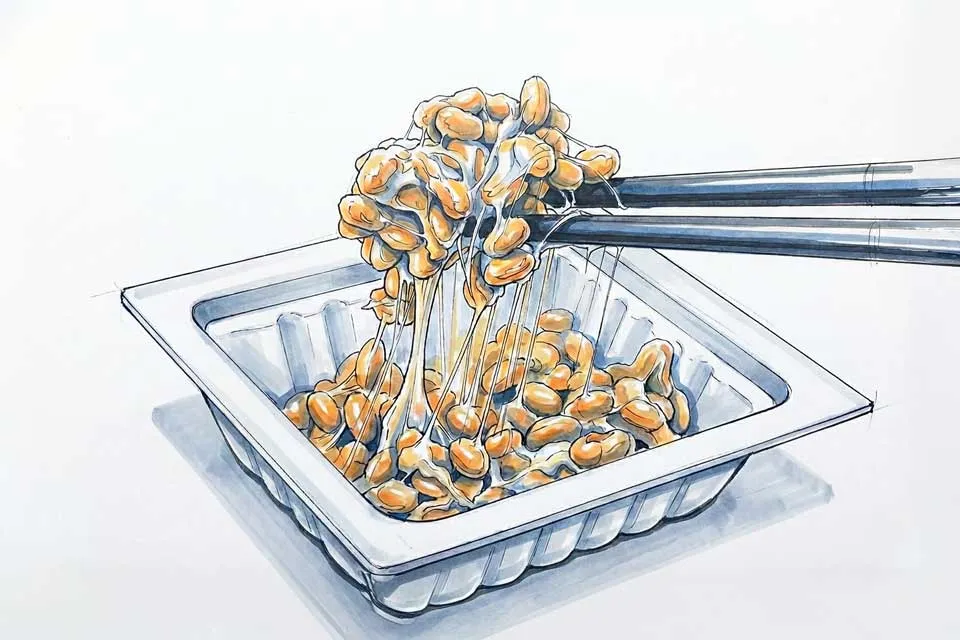
Natto and Nattokinase for Heart Health
Nattokinase is an enzyme extracted from natto, a traditional Japanese fermented soybean food. Since its discovery in 1987, researchers have studied its ability to break down fibrin, the protein that forms the structural framework of blood clots. This fibrinolytic activity has generated interest in nattokinase as a potential tool for cardiovascular prevention, particularly among people seeking alternatives or additions to conventional therapies.
The appeal is straightforward. Nattokinase dissolves clots in laboratory and animal studies. It lowers blood pressure modestly in clinical trials. It appears relatively safe in the populations studied so far. These properties make it attractive to health-conscious consumers wary of pharmaceutical side effects or looking to optimize their cardiovascular protection beyond standard medications.
Yet the evidence base remains thin. The largest randomized trial enrolled only 265 participants. Most studies have been small, short-term, and measured surrogate endpoints rather than heart attacks or strokes. No regulatory body has approved nattokinase for cardiovascular disease prevention or treatment. The articles below provide what you need to evaluate this compound critically, understand its limitations, and make an informed decision about whether it belongs in your own regimen.
Natto / Nattokinase Articles
Understanding Nattokinase
- What Is Nattokinase and How Does It Work? Learn where nattokinase comes from, its proposed mechanisms of action, how it compares to pharmaceutical thrombolytics, and what we know about oral bioavailability.
- Natto vs. Nattokinase Supplements. Compare eating natto as a food versus taking nattokinase as a supplement. Understand the vitamin K2 content, other bioactive compounds, and practical tradeoffs.
Cardiovascular Evidence
- The Clinical Evidence for Nattokinase. Review the trials studying nattokinase for cardiovascular outcomes. Understand what endpoints have been measured, study limitations, and how the evidence compares to proven therapies.
- Nattokinase and Atherosclerosis. Examine whether nattokinase affects plaque burden, composition, or progression. Learn what imaging studies have shown and what remains unknown.
- Nattokinase and Blood Pressure. Understand the blood pressure effects observed in trials, proposed mechanisms, and whether nattokinase adds benefit to standard antihypertensive therapy.
Safety and Interactions
- Nattokinase Drug Interactions and Contraindications. Learn the bleeding risks with anticoagulants and antiplatelets, potential interactions with other cardiovascular medications, and who should avoid nattokinase entirely.
- Nattokinase Safety Profile. Review adverse events reported in trials, case reports of serious complications, and how nattokinase’s risk profile compares to aspirin and prescription blood thinners.
Practical Considerations
- Nattokinase Dosing and Administration. Understand what doses have been studied, what fibrinolytic units mean, timing considerations, and whether a dose-response relationship exists.
- Evaluating Nattokinase Product Quality. Learn how to assess supplement quality, what third-party certifications matter, purity concerns, and which brands have been independently tested.
Economics and Regulation
- Nattokinase Costs and Economic Considerations. Navigate the financial aspects of nattokinase, compare costs to prescription alternatives, and understand why rigorous research has been limited.
- Nattokinase Regulatory Status. Understand nattokinase’s classification as a supplement versus drug, allowable health claims, and how regulation differs between the US, EU, and Japan.
Integration and Decision-Making
- Integrating Nattokinase with Standard Care. Get practical guidance on discussing nattokinase with your cardiologist, disclosure before procedures, and appropriate monitoring.
- Research Gaps and Unanswered Questions. Explore what studies are most needed, why the evidence base remains limited, and what would need to change for nattokinase to become standard of care.