
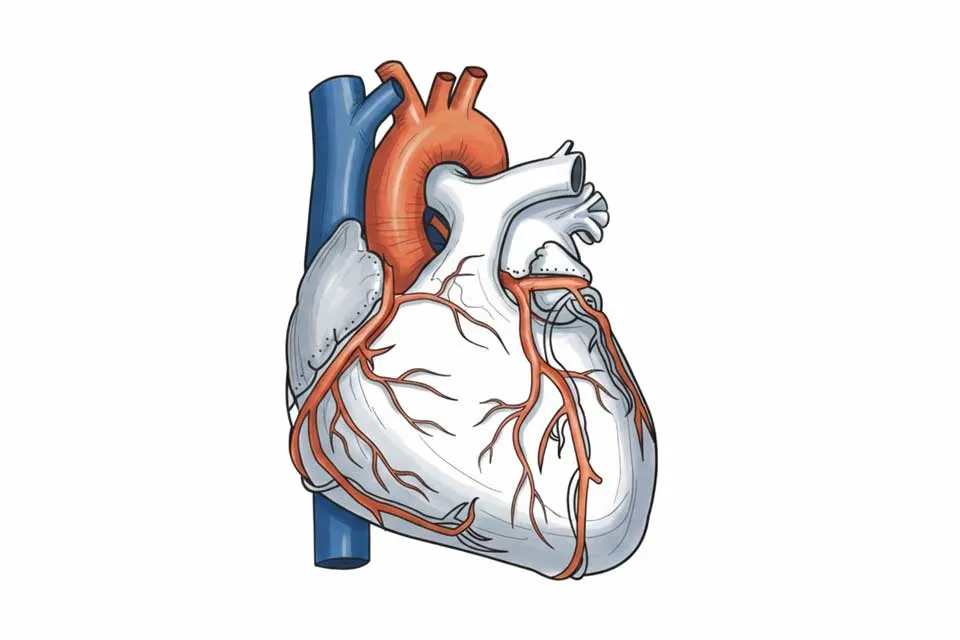
CT Angiogram (CTA) for Heart Disease
A coronary CT angiogram creates detailed images of the heart’s arteries without threading a catheter into your body. The scan uses intravenous contrast dye and advanced CT technology to visualize plaque, measure blockages, and characterize atherosclerosis that may not cause symptoms yet. For patients with chest pain or elevated cardiovascular risk, CTA offers information that simpler tests cannot provide.
CTA matters because coronary artery disease often progresses silently. Traditional risk calculators miss many patients who harbor significant plaque. Stress tests detect flow limitations but miss non-obstructive disease that still carries prognostic weight. A CT angiogram shows the actual anatomy: the location, extent, and composition of plaque throughout the coronary tree. This information changes treatment decisions and helps patients understand their true cardiovascular risk.
Yet accessing CTA requires navigating a complex healthcare landscape. Guidelines have evolved rapidly, but practice patterns vary. Insurance coverage depends on indication and clinical context. Some cardiologists embrace CTA as a first-line diagnostic tool while others reserve it for specific scenarios. The articles below provide everything you need to understand this technology, evaluate whether it might benefit you, and work within the system to access it appropriately.
CT Angiogram Articles
Understanding CT Angiogram
- What Is a CT Angiogram and How Does It Work? Learn what coronary CT angiography is, how it creates images of your heart’s arteries, and what the procedure involves from preparation through recovery.
- CT Angiogram Technology and Image Quality. Understand scanner specifications, radiation dose considerations, and the technical factors that affect image quality and diagnostic accuracy.
- How to Interpret Your CT Angiogram Results. Make sense of stenosis percentages, plaque types, CAD-RADS scores, and what findings mean for your cardiovascular risk.
Clinical Evidence
- The Evidence Base for CT Angiogram. Review major trials including SCOT-HEART and PROMISE that established when CT angiography improves clinical outcomes.
- Evaluating CT Angiogram Research Quality. Learn how to assess study design, recognize industry influence, and understand what the evidence does and does not prove.
- Limitations and Controversies in CT Angiography. Examine known blind spots, ongoing debates about overdiagnosis, and situations where CTA may mislead rather than help.
Clinical Decision-Making
- CT Angiogram vs Other Cardiac Tests. Compare CTA to stress testing, calcium scoring, cardiac MRI, and invasive angiography to understand when each adds value.
- Is CT Angiogram Right for You? Evaluate whether CTA fits your clinical situation based on symptoms, risk factors, and prior testing.
- Combining CT Angiogram with Other Tests. Learn when CTA should be combined with calcium scoring, FFR-CT, or functional testing for optimal diagnosis.
- CT Angiogram Guidelines and Indications. Understand what professional societies recommend and how guidelines have evolved as evidence accumulated.
- Acting on Your CT Angiogram Results. Translate findings into treatment decisions, from medication intensification to lifestyle changes to referral for intervention.
Safety and Monitoring
- CT Angiogram Safety and Side Effects. Understand radiation exposure, contrast dye risks, and how CTA compares to alternatives from a safety perspective.
- The Psychology of CT Angiogram Results. Explore how diagnosis affects patients emotionally and what to expect when confronting new information about your arteries.
- Monitoring Disease Progression with CT Angiogram. Learn when repeat scanning makes sense, what progression looks like, and whether plaque regression is possible.
Economics and Access
- CT Angiogram Costs and Value. Navigate pricing, understand cost-effectiveness evidence, and evaluate whether CTA represents good value for your situation.
- Insurance Coverage for CT Angiogram. Know what private insurers, Medicare, and Medicaid typically cover and how to handle prior authorization requirements.
- Policy and Advocacy for CT Angiogram Access. Understand current debates about screening coverage and how coverage decisions get made.
- Legal Rights and CT Angiogram. Know your rights regarding informed consent, access to images, and recourse when care falls short.
Navigation and Self-Advocacy
- Why Doctors Order (or Don’t Order) CT Angiograms. Understand how training, practice setting, and economics influence whether your physician recommends CTA.
- How to Request a CT Angiogram. Get practical guidance on asking for CTA, responding to pushback, and finding quality facilities.
- Evaluating CT Angiogram Information Online. Identify reliable sources, recognize red flags, and discuss online claims productively with your doctor.
Integration and Special Considerations
- CT Angiogram in Comprehensive Risk Assessment. Fit CTA findings into a broader picture including biomarkers, genetics, and traditional risk factors.
- CT Angiogram in Special Populations. Understand how accuracy and interpretation differ for women, diabetics, young adults, and patients with prior interventions.
- Lifestyle and CT Angiogram. Learn how diet, exercise, and other lifestyle factors interact with CTA findings and disease progression.
- Alternative Perspectives on CT Angiogram. Examine what functional and integrative practitioners say about CTA and evaluate claims critically.
History and Future
- The Evolution of CT Angiography. Trace how technology and clinical evidence transformed CTA from experimental to mainstream over two decades.
- How Other Countries Use CT Angiogram. Compare American practice to European guidelines and understand what international variation reveals.
- Unanswered Questions in CT Angiography. Identify what we still don’t know and why certain questions remain understudied.
- The Future of CT Angiography. Explore emerging technologies including AI interpretation, photon-counting CT, and advanced plaque analysis.