
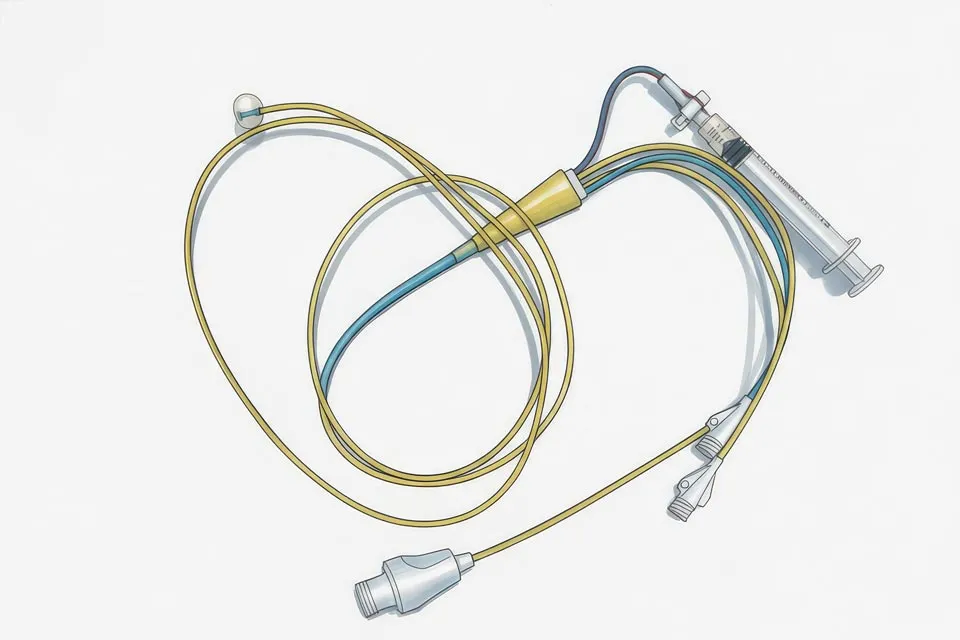
Cardiac Catheterization for Heart Disease
Cardiac catheterization remains the definitive test for directly visualizing the coronary arteries. A thin catheter threaded through an artery in the wrist or groin delivers contrast dye to the heart while X-ray imaging captures real-time video of blood flow through the coronary vessels. What angiography shows—or appears to show—often determines whether patients receive stents, undergo bypass surgery, or continue with medications alone.
Yet the procedure’s central role in cardiology does not mean every catheterization is necessary or that every blockage found requires intervention. Major clinical trials over the past two decades have challenged long-held assumptions about stenting for stable coronary disease. The COURAGE, ORBITA, and ISCHEMIA trials demonstrated that for many patients with stable symptoms, catheterization-guided stenting offers no survival benefit over optimal medical therapy alone. These findings have prompted a reckoning within the cardiology community about appropriate use of invasive procedures.
This creates a difficult landscape for patients to navigate. Catheterization provides information no other test can deliver, yet the procedure carries real risks and the findings may not change your treatment in ways that improve outcomes. The articles below provide everything needed to understand this technology, evaluate whether it might benefit you, and engage in informed conversations with your cardiologists about when invasive testing is truly warranted.
Heart Catheterization Articles
Understanding Heart Catheterization
- What Is Cardiac Catheterization and How Does It Work? Learn what happens during a heart cath, the difference between diagnostic and interventional procedures, and what you will experience as a patient.
- Catheterization Technology, Equipment, and Technical Precision. Understand the imaging equipment, radiation exposure, measurement accuracy, and how to evaluate facility quality before scheduling.
- How to Interpret Catheterization Findings. Learn what percent stenosis means, why cardiologists may disagree on severity, and what findings do and do not indicate about your prognosis.
Clinical Evidence
- The Evidence for Catheterization and Stenting. Review what COURAGE, ORBITA, ISCHEMIA, and other major trials found about outcomes from catheterization-guided intervention versus medical therapy.
- Evaluating the Quality of Catheterization Research. Understand trial design limitations, industry funding effects, and how to critically evaluate news reports about stenting studies.
- Controversies and Debates in Interventional Cardiology. Explore the arguments about overuse, the oculostenotic reflex, geographic variation, and why catheterization rates in the US exceed other countries.
Clinical Decision-Making
- Catheterization vs CT Angiography and Other Alternatives. Compare invasive catheterization to non-invasive options. Understand when each approach is preferred and what information each provides.
- Deciding Whether to Proceed with Catheterization. Learn how to evaluate a catheterization recommendation, questions to ask, and when to seek a second opinion.
- Testing Sequences and Combination Strategies. Understand what testing typically precedes catheterization and how findings guide decisions between stenting and bypass surgery.
- Guidelines and Appropriate Use Criteria. Review what professional guidelines recommend, how US guidelines differ from European standards, and what constitutes appropriate indications.
- How Catheterization Findings Change Your Treatment Plan. Learn what thresholds trigger intervention, how findings affect medications and lifestyle, and what follow-up normal results require.
Safety and Monitoring
- Risks, Complications, and Safety Considerations. Understand the real risks of catheterization including heart attack, stroke, bleeding, kidney injury, and how complication rates vary by facility.
- Patient Psychology and Decision-Making Under Pressure. Prepare for the emotional challenges of catheterization, including ad hoc stenting decisions and managing anxiety.
- Follow-Up, Monitoring, and Repeat Procedures. Learn what surveillance is appropriate after catheterization, when repeat procedures are needed, and how to monitor stent patency.
Economics and Access
- Costs and Cost-Effectiveness of Catheterization. Understand what catheterization costs, why prices vary dramatically, and what economic incentives shape utilization patterns.
- Insurance Coverage and Payer Policy. Navigate Medicare, private insurance, prior authorization requirements, and what to do if coverage is denied.
- Policy, Advocacy, and Coverage Reform. Explore how appropriate use criteria affect policy, patient advocacy organizations, and transparency initiatives.
- Legal Rights and Informed Consent. Understand your rights regarding consent, limiting procedures during catheterization, and obtaining your records.
Navigation and Self-Advocacy
- Physician Incentives and Practice Variation. Understand how cardiologists are compensated, why catheterization rates vary by region, and how to identify conservative practitioners.
- Self-Advocacy and System Navigation. Get practical guidance on requesting or declining catheterization, finding quality facilities, and navigating specialist disagreements.
- Avoiding Misinformation About Catheterization. Learn to evaluate claims about catheterization, identify reliable sources, and discuss online research with your doctor.
Integration and Special Considerations
- Catheterization in Your Overall Cardiovascular Assessment. Understand how catheterization fits with calcium scoring, CT angiography, genetic risk, and biomarkers like Lp(a).
- Special Populations: Age, Diabetes, Kidney Disease, and More. Learn how catheterization decisions and techniques differ for older adults, diabetics, and patients with comorbidities.
- Preparation, Recovery, and Lifestyle Considerations. Understand medication management, activity restrictions, and recovery expectations before and after catheterization.
- Alternative and Integrative Perspectives. Explore what lifestyle medicine practitioners say about catheterization and the evidence for intensive lifestyle intervention.
History and Future
- The History and Evolution of Cardiac Catheterization. Trace the development from first human catheterization to modern drug-eluting stents and the trials that changed practice.
- How Other Countries Approach Catheterization. Compare US catheterization rates and practices to Europe and other developed nations. Understand what differences reveal.
- Research Gaps and Underfunded Questions. Explore what important questions remain unanswered and why commercial interests shape the research agenda.
- Emerging Technologies and Future Directions. Learn about CT-derived FFR, artificial intelligence, robotic catheterization, and technologies that may reduce the need for invasive testing.