
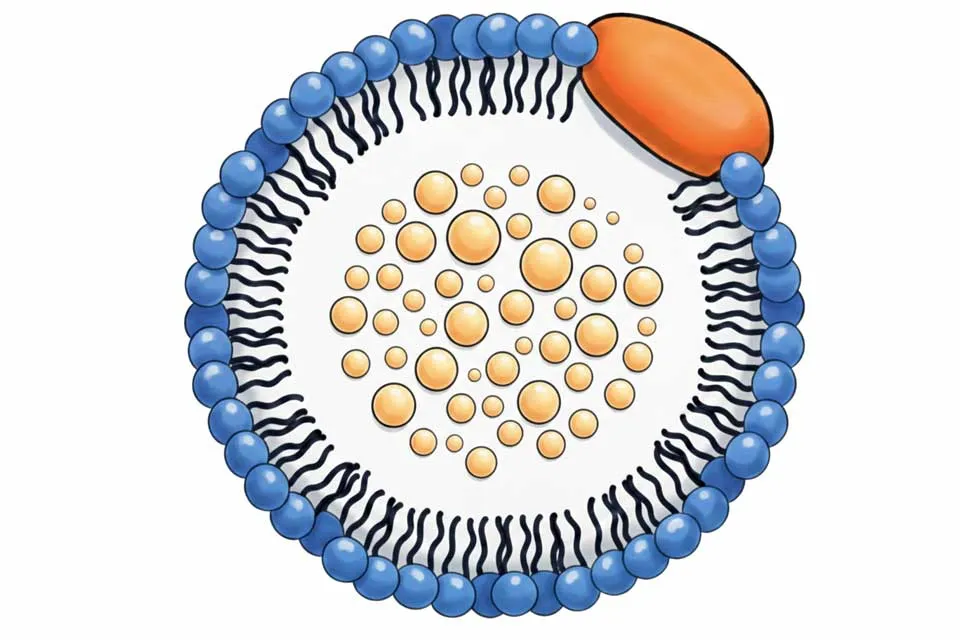
Apolipoprotein B (ApoB)
Your standard cholesterol test measures how much cholesterol rides inside your LDL particles. It can’t tell you how many particles you actually have. ApoB can. Every atherogenic particle in your blood carries exactly one apolipoprotein B protein. That makes ApoB a direct count of the vehicles that drive atherosclerosis.
Decades of research confirm ApoB predicts cardiovascular risk more accurately than LDL cholesterol. The advantage is strongest for people with diabetes, metabolic syndrome, or high triglycerides. In these groups, the two measurements frequently disagree. When they do, ApoB tells the truth about risk.
Yet most doctors don’t order ApoB. Most insurance plans don’t consistently cover it. Most patients have never heard of it. The gap between what the science shows and what happens in clinical practice reflects institutional inertia, guideline conservatism, and economic incentives that favor the status quo.
The articles below explain what ApoB measures and why it matters. They walk you through testing practicalities and result interpretation. They examine the forces behind slow adoption. And they give you a framework for deciding whether measurement makes sense for your situation.
ApoB Articles
- What Is ApoB? Learn what ApoB is and why it reveals heart disease risk that standard cholesterol tests miss. Understand why particle number matters more than cholesterol content.
- Why Hasn’t ApoB Become Standard? The science is settled, but adoption isn’t. Explore the institutional inertia, guideline conservatism, and structural factors that explain the gap between evidence and practice.
- How to Test ApoB. Get the practical details on testing: where to get it, what it costs, whether insurance covers it, optimal target levels, and how to interpret results when ApoB disagrees with LDL.
- What Causes High ApoB? Understand the genetic conditions, metabolic factors, and lifestyle choices that drive elevated particle counts. Know which causes you can change and which you can’t.
- How to Lower ApoB. Realistic expectations for diet and exercise, how statins and PCSK9 inhibitors work, and the truth about supplements. Learn what actually moves the needle.
- The Economics of ApoB Testing. Follow the money. Examine lab pricing, insurance coverage decisions, pharmaceutical incentives, and the direct-to-consumer testing market.
- ApoB Safety and Guidelines. Can ApoB be too low? How often should you retest? What do current medical guidelines actually recommend? Get answers to the practical questions.
- Should You Get an ApoB Test? A decision framework that synthesizes the evidence, acknowledges uncertainty, and helps you make a rational choice based on your specific situation.