• Should I Get a Cardiac PET Scan?

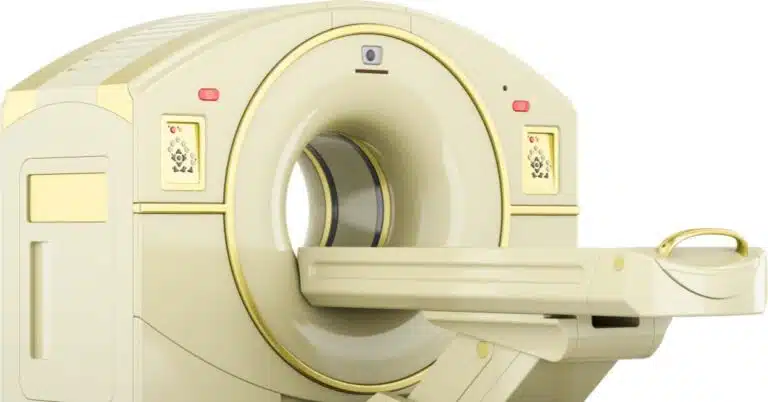
    Positron Emission Tomography (PET) represents one of the most sophisticated cardiac imaging technologies available today, offering unparalleled insight into heart function and disease risk. This advanced nuclear imaging technique uses radioactive tracers to evaluate blood flow, detect inflammation, and identify high-risk arterial plaques that may lead to heart attacks.

  • Should I Get a Cardiac MRI?

    Cardiac Magnetic Resonance Imaging (Cardiac MRI) stands as the gold standard for comprehensive heart assessment, offering unmatched detail and precision without radiation exposure. This sophisticated imaging technique harnesses powerful magnetic fields and radio waves to create extraordinarily detailed pictures of heart structures and function, earning recognition as the reference standard in cardiovascular imaging.

  • Should I Get a Heart Catheterization?

    Heart catheterization represents the definitive diagnostic procedure for coronary artery disease, offering unparalleled accuracy in visualizing blocked arteries while enabling immediate life-saving interventions. This invasive procedure involves threading a catheter through blood vessels to the heart, injecting contrast dye, and using X-ray imaging to directly visualize coronary arteries with exceptional precision.

  • Should I Get a CT Angiogram?

    A coronary CT angiogram (CTA) is a noninvasive diagnostic tool that allows detailed visualization of the coronary arteries. It is especially useful for detecting both obstructive and non-obstructive plaque, enabling early diagnosis, risk assessment, and disease monitoring. CTA has become a first-line test for patients with stable chest pain and intermediate risk of coronary artery disease, offering an alternative to invasive catheterization in many cases.

  • Should I Get a Coronary Calcium Scan?

    Coronary calcium scanning is a cardiovascular imaging technology that measures calcified plaque in coronary arteries, providing an objective risk score beyond traditional risk factors. Explore how calcium scoring works, when it’s typically used, its benefits and limitations, and how it compares to other cardiac imaging options to help you understand this technology and have informed discussions with your healthcare provider.

  • When Should I Get IVUS for Heart Disease?

    Intravascular Ultrasound (IVUS) represents a significant advancement in cardiac imaging that can dramatically improve outcomes for patients undergoing coronary interventions. This comprehensive analysis examines what IVUS is, demonstrates its clinical effectiveness through robust evidence, identifies which patients benefit most, and addresses practical considerations including typical usage patterns and associated risks.

  • Should I Eat Natto?

    This comprehensive article explores both natto—a traditional Japanese fermented soybean food—and nattokinase, its key bioactive compound. From natto’s centuries-old origins to cutting-edge nattokinase research, we examine the science behind both the whole food and its extracted enzyme.

  • 4 Surprising Ways Kefir Improves Your Health

    Kefir, originating from the Middle East and Caucasus, is a fermented drink with compelling health benefits. Resembling tangy yogurt, it’s made by fermenting milk with kefir grains. Its diverse probiotic content aids digestion, fights pathogens, and potentially protects against cancer, among other benefits.